Introduction
In the swiftly progressing landscape of medical care, registered nurses discover themselves at the leading edge of person management and care. One crucial location that has acquired importance in recent times is ventilation monitoring. As more people require respiratory assistance as a result of a variety of conditions, the demand for specialized training in this domain name becomes progressively crucial. This short article will certainly explore the complex connection between nursing and ventilation training programs, highlighting why every registered nurse needs to invest in these indispensable educational opportunities.
Why Every Registered nurse Need to Invest in Ventilation Training Courses
Ventilation training courses are created to equip nurses with the knowledge and skills essential to manage people needing breathing support effectively. These programs incorporate a variety of topics, including basic ventilator operation, progressed airway administration, and particular strategies connected to tracheostomy care. Understanding exactly how to run and fix ventilators can dramatically enhance individual results and lower problems related to mechanical ventilation.
The Growing Significance of Ventilation Skills
With an increasing number of people providing with respiratory insufficiency or failing, the need for experienced professionals who can offer effective respiratory tract and air flow administration has actually risen. Registered nurses play an essential role in tracking individuals on ventilators, ensuring they get suitable degrees of support customized to their private needs.
The Broadening Duty of Registered Nurses in Ventilation Management
Nurses are no more simple aides to medical professionals; they are now essential participants of the medical care team in charge of straight individual treatment. This shift demands that registered nurses have extensive understanding concerning different medical devices, consisting of ventilators.
Understanding Mechanical Ventilation- What is mechanical air flow? How does it vary from hand-operated ventilation?
- Why is constant monitoring essential for individuals on ventilators? What specifications ought to nurses track?
Real-world Applications of Air flow Training
In useful settings, registered nurses frequently find themselves handling complicated situations where prompt interventions can mean the distinction in between life and death. As an example:
- A nurse trained in ventilator stress support can rapidly change setups based on a patient's altering condition. Knowledge gained from a basic ventilator course can assist registered nurses recognize very early indicators of respiratory distress.
Components of Effective Ventilation Training Courses
When taking into consideration investment in ventilation training courses, it's essential to recognize what these programs typically cover:
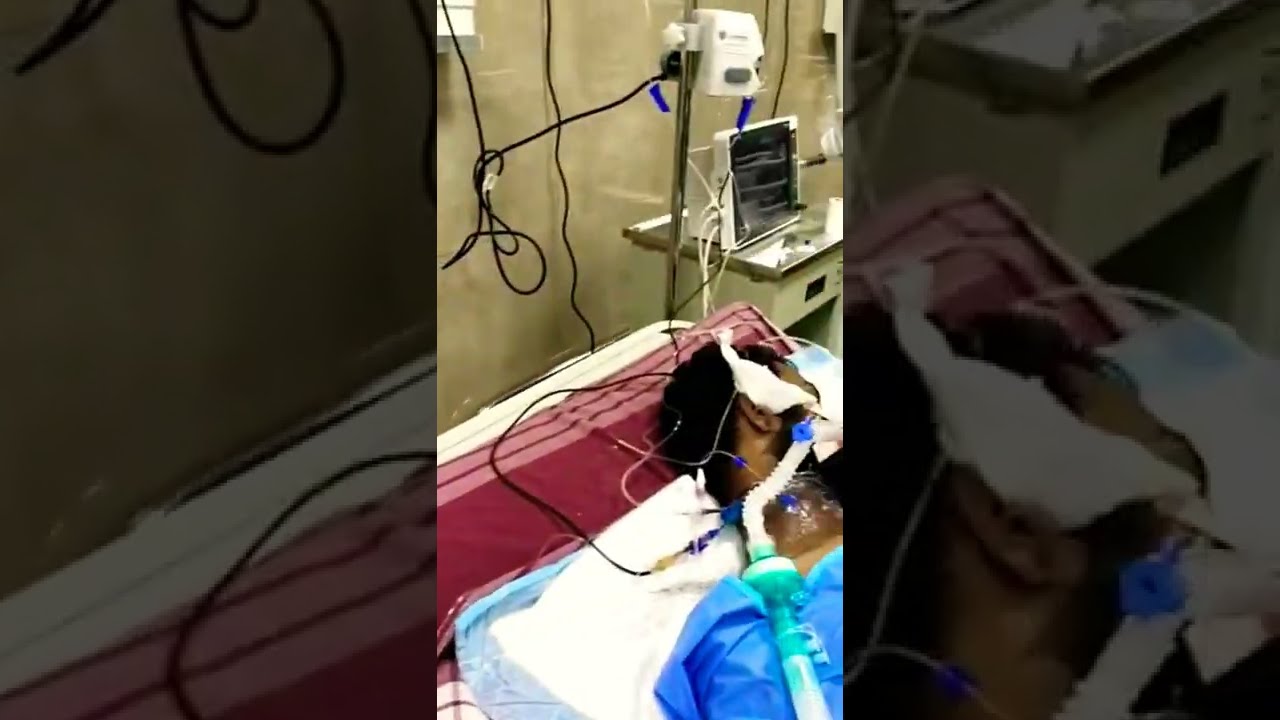

- Introduction to various sorts of ventilatory support. Basic auto mechanics behind how ventilators work.
- Tracheostomy and ventilator management. Troubleshooting typical concerns encountered throughout mechanical ventilation.
- Case research studies showing real-life situations where appropriate training made a considerable impact. Hands-on practice with advanced equipment.
Benefits of Specialized Ventilator Training for Nurses
Investing time and sources right into specialized training yields countless benefits:
Enhanced Individual Safety
With advanced understanding comes boosted self-confidence when taking care of seriously ill clients on mechanical assistance:
- Understanding potential problems associated with inadequate respiratory tract management. Being able to identify when treatment is necessary.
Improved Task Fulfillment and Job Advancement
Nurses equipped with specialized skills frequently enjoy better job fulfillment as a result of their boosted capabilities, leading to occupation advancement chances:
- Potential duties consist of Clinical Nurse Expert or Breathing Registered Nurse Educator.
Types of Ventilation Training Programs Available
When checking out choices for ventilation training courses, think about the adhering to categories:
Basic Ventilator Course

Created for entry-level registered nurses wanting to construct foundational knowledge.
NDIS Ventilation Training Course
Focused on particular requirements associated with individuals under the National Special Needs Insurance Coverage Plan (NDIS).
Advanced Airway Administration Courses
Targeted at knowledgeable registered nurses looking for to grow their understanding and abilities associated with complex cases involving air passage management.
Frequently Asked Questions regarding Ventilation Training Courses
1. What is a standard ventilator course?
A basic ventilator program gives fundamental expertise about mechanical ventilation concepts, helping nurses understand how ventilators function and exactly how to keep an eye on people effectively.
2. The length of time do ventilation training programs usually last?
Most courses vary from someday to several weeks ventilator training depending on their intricacy and depth.
3. That ought to take these courses?
While largely focused on registered nurses, other health care professionals involved in individual treatment may also benefit from these programs.
4. Exist on the internet alternatives available for ventilation training?
Yes! Many organizations provide hybrid models or fully on-line courses that allow flexibility while acquiring important skills.
5. Is certification given upon completion?
Most respectable programs provide certification upon effective conclusion as evidence of expertise in handling people calling for respiratory tract support
6. Can ventilation training improve individual outcomes?
Absolutely! Proof recommends that well-trained team can much better take care of intricate cases leading inevitably towards improved health outcomes for people needing breathing support
Conclusion: Purchasing Your Future as a Nurse
As we browse with an era marked by considerable technological innovations within healthcare centers throughout numerous nations worldwide, investing time right into gaining experience such as those offered with different sorts of innovative curricula continues to be paramount. The growing relevance put upon effective air passage administration can not be overstated; as a result it stands clear why every nurse ought to spend heavily into seeking detailed education around topics such as "ventilatory tracheostomy and ventilator training strategies". Not only does this lead in the direction of boosted profession potential customers but also outfits specialists with required tools needed when providing quality treatment under difficult circumstances.
Ultimately, by focusing on expert growth through targeted coursework like "ventilator training", you're not just improving your capability-- you're adding favorably towards much better general health care delivery systems profiting numerous lives along method. So proceed-- take that leap onward; enroll today!